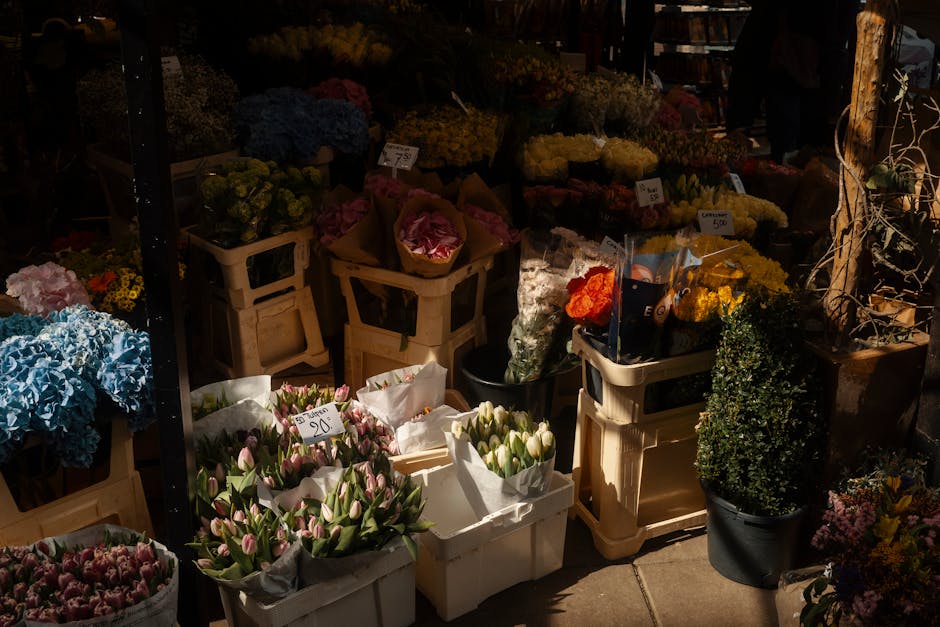
Real cost of wedding flowers in Spitalfields explained
Posted on 13/10/2026
Wedding flowers can look simple from the outside. A bouquet here, a few buttonholes there, maybe a table arrangement or two. Then the quotes arrive and, suddenly, you're trying to work out why the same day can cost very different amounts depending on the florist, the season, and the style you want. If you're trying to understand the real cost of wedding flowers in Spitalfields explained, you're in the right place.
Spitalfields is a lovely part of East London for a wedding, but it also comes with its own practical realities: busy delivery windows, venue access that can be a bit tight, and floral choices that may need to be planned around market demand. In this guide, we'll break down what actually affects the price, where couples tend to overspend, and how to get a beautiful result without that horrible "how did it get this expensive?" feeling. Let's make it properly clear.
Table of Contents
- Why Real cost of wedding flowers in Spitalfields explained Matters
- How Real cost of wedding flowers in Spitalfields explained Works
- Key Benefits and Practical Advantages
- Who This Is For and When It Makes Sense
- Step-by-Step Guidance
- Expert Tips for Better Results
- Common Mistakes to Avoid
- Tools, Resources and Recommendations
- Law, Compliance, Standards, or Best Practice
- Options, Methods, or Comparison Table
- Case Study or Real-World Example
- Practical Checklist
- Conclusion
- Frequently Asked Questions
Why Real cost of wedding flowers in Spitalfields explained Matters
Flowers are one of those wedding details that seem decorative until you realise how much of the day they shape. They appear in the ceremony photos, frame the aisle, soften the reception space, and set the mood before a guest has even found their seat. In Spitalfields, where couples often lean towards characterful venues and a more design-led look, flowers can quickly become one of the main visual investments.
The real cost matters because wedding flower quotes are rarely just "flowers." You are paying for design time, sourcing, preparation, mechanics, labour, transport, and often the pressure of a fixed wedding schedule. A bridal bouquet may look like one item, but it can involve several hours of work across the day before the wedding. And if your florist is delivering to a venue near central London traffic, timing suddenly becomes part of the price too.
Truth be told, the biggest mistake couples make is assuming all wedding flowers work on a standard retail pricing model. They don't. Wedding floristry is closer to event production than a regular bouquet purchase. Once you understand that, the quote starts making more sense. Not cheap necessarily, but sensible. Which is a relief, because nobody wants to feel they've paid for mystery.
It also matters for budgeting. If your venue, photography, and catering already take up a large share of the budget, flowers need to be planned with intention. Otherwise the last-minute "let's add a few more arrangements" decisions can snowball fast. A sensible flower plan lets you spend where it counts and trim where it doesn't.
Expert summary: In Spitalfields, the real cost of wedding flowers is shaped less by the vase or bouquet size and more by design labour, seasonal sourcing, logistics, and how much of the venue needs dressing.
How Real cost of wedding flowers in Spitalfields explained Works
To understand pricing properly, it helps to think in layers. Most wedding flower quotes are built from a combination of design items and service costs. The style of the flowers matters, yes, but so does the amount of handwork and the level of coordination involved.
1. The flowers themselves
This is the visible part: roses, lilies, lisianthus, hydrangeas, orchids, or mixed seasonal flowers. Flower choice affects price in a few ways. Imported blooms, out-of-season stems, and premium varieties generally cost more. Simpler seasonal flowers usually keep budgets calmer. In practical terms, a bouquet built around locally available stems will usually be easier to price than one built around delicate, highly specific blooms.
2. The design and labour
A florist is not just "putting flowers together." They are conditioning stems, balancing colour, wiring pieces where needed, wrapping bouquets, and making sure everything holds together for the event. Wedding floristry also involves consultation time and usually one or more rounds of preparation. The more detailed the design, the more labour sits inside the quote.
3. Event logistics
In Spitalfields, logistics can be a real factor. Delivery slots, parking, venue access, loading restrictions, and setup timing all matter. If arrangements need to be installed before guests arrive, or if they need to travel between ceremony and reception venues, that adds complexity. A quick drop-off is one thing. A full setup and move between venues? Quite a different job, and it will usually be priced that way.
4. Installation and takedown
Some flowers are simply handed over in buckets or boxes. Others need to be installed on tables, an arch, registrar's table, top table, or ceremony backdrop. Anything involving on-site styling, ladders, tools, or careful positioning costs more than a bouquet-and-go order. It's not dramatic. It's just labour, and labour is where the cost often hides.
5. Season, scale, and last-minute changes
If you want a very specific flower in a busy wedding month, the price can rise. If your guest count changes and you add table flowers late in the process, the florist may need to source and schedule extra work. That is normal. But it's one reason why couples who finalise flowers earlier often get better value.
One useful way to think about it: wedding flowers are priced like a service with materials attached, not a materials order with free assembly. That distinction changes everything.
Key Benefits and Practical Advantages
Once you understand how wedding flower pricing works, you can make better decisions. That sounds obvious, but in a planning season where everything is happening at once, obvious things are surprisingly easy to miss.
- Better budgeting: You can set realistic ranges for bouquets, buttonholes, table arrangements, and ceremony pieces without underestimating the final bill.
- Smarter prioritising: You can decide whether to spend more on the bridal bouquet and keep table flowers simple, or vice versa.
- Less stress on the day: Clear planning reduces the chance of missing deliveries, awkward setup delays, or unhappy last-minute substitutions.
- More consistent style: A planned floral brief usually produces a more cohesive look across the ceremony and reception.
- Better value for money: Knowing which elements are expensive helps you cut wisely rather than randomly.
There is also a quieter benefit: confidence. When a florist explains a quote clearly, you stop second-guessing every line item. That matters. Wedding planning is already full of decisions, and nobody needs one more thing making them feel vaguely uneasy.
If you are comparing providers, it can also help to look at broader service pages first, such as wedding flowers in Spitalfields, so you understand what is typically included before judging the quote. For couples working to a tighter plan, cheap flowers in Spitalfields may be useful as a reference point for simpler styles and more modest budgets.
Who This Is For and When It Makes Sense
This guide is for couples who want to budget properly, but it also helps anyone who has been handed a wedding flower estimate and thought, "Right... but is that actually good value?"
It makes sense if you are:
- planning a wedding in or around Spitalfields or nearby East London
- choosing between minimalist and fuller floral styling
- trying to decide what is worth splurging on
- comparing a florist quote with an online flower order
- organising flowers for a small registry-style wedding or a bigger celebration
- working with a venue that needs timed delivery or on-site setup
It also makes sense if you are the practical one in the couple. You know the type. The person who asks, "Do we actually need three centrepieces per table?" while everyone else is falling in love with peonies and candlelight. Both approaches are valid, honestly.
For some couples, a simple bridal bouquet, a few buttonholes, and one or two statement pieces will do the job beautifully. For others, flowers are a major part of the wedding atmosphere, and the spend is justified. Neither is wrong. The point is matching the spend to the experience you actually want.
Step-by-Step Guidance
If you want a realistic flower budget, this is the process I would use. Nothing fancy. Just a calm, sensible way to avoid surprises.
- Define the floral priority list. Decide what matters most: bouquet, ceremony flowers, reception tables, buttonholes, corsages, or all of the above.
- Set a total floral budget range. Not a single hard number at first. A range gives you room for choices without boxing yourself in too early.
- Choose your style direction. Think about full and romantic, clean and modern, seasonal and natural, or classic and structured.
- Check your venue layout. Measure tables if possible, note ceremony spaces, and find out whether any setup restrictions apply.
- Ask what is included in the quote. Delivery, installation, vase hire, ribbon, candles, mechanics, and collection can all change the final price.
- Ask about substitutions. Good florists will explain what happens if a stem is unavailable. That conversation is worth having early.
- Review the proposal by item. A bouquet, buttonholes, bridesmaid bouquet, ceremony arrangement, and table flowers should each make sense on their own.
- Confirm final numbers early. Guest count changes affect table flowers. Late changes often cost more than planned changes.
One small but important detail: ask for the quote in a way that separates flowers from setup and delivery. It is much easier to see where money is going if those parts are split clearly. A lot of couples discover, almost by accident, that the actual flowers were not the problem at all. It was the extra styling work. Funny how that happens.
If you want to compare delivery formats too, pages like flower delivery in Spitalfields and same-day flower delivery can help you understand the difference between standard retail delivery and event-based ordering.
Expert Tips for Better Results
A few practical adjustments can save money without making the flowers look cheap. That is the sweet spot, really.
- Use seasonal blooms where possible. They are usually easier to source and often look fresher for the budget.
- Repeat a small number of flower types. A limited palette can look more intentional than a mixed selection with too many expensive stems.
- Spend where photos will capture the flowers most. The bouquet, ceremony backdrop, and top table tend to appear the most in wedding images.
- Keep transport simple. The more locations your florist has to cover, the more coordination is involved.
- Be honest about budget from the start. A good florist can work creatively within limits, but only if they know the limits.
- Ask about reusable pieces. Some arrangements can move from ceremony to reception. That is a genuinely clever way to stretch the budget.
In our experience, couples often get the best results when they choose one "hero" area and keep the rest elegant but restrained. A striking bouquet and well-dressed ceremony can carry the whole day visually. Everything does not need to scream for attention. Thank goodness.
If sustainability matters to you, it is also worth looking at a florist's approach to sourcing and waste. You can read more about that on the site's sustainability page. Even small choices, like using less foam or choosing longer-lasting blooms, can make the plan feel more thoughtful.
Common Mistakes to Avoid
This is where budgets often go sideways. Not always in dramatic ways. More often through a few small assumptions that stack up.
- Comparing wedding flowers to a standard bouquet order. Event floristry is a different service entirely.
- Forgetting delivery and setup. A quote can look attractive until the practical fees are added.
- Changing the brief too late. Last-minute design changes usually cost more.
- Ignoring venue access. A beautiful arrangement still needs to get through the door, down the stairs, or up to the correct room.
- Choosing too many focal points. If everything is a highlight, nothing really is.
- Not asking what happens if flowers are unavailable. Substitutions are normal; surprise substitutions are not ideal.
- Assuming all table flowers need to be large. Smaller arrangements can still look elegant, especially in tighter venue spaces.
Another common issue is over-ordering. Couples sometimes add extra pieces because they fear the room will look empty. Then they arrive at the venue and realise the lighting, linen, candles, and guest flow already do half the work. It happens a lot. Too often, actually.
Tools, Resources and Recommendations
You do not need a complicated planning system, but a few simple tools help a lot.
- Guest count list: essential for table flower planning.
- Venue floor plan: useful for ceremony pieces, aisle dressing, and reception styling.
- Inspiration board: helps you and your florist align on colour and texture.
- Budget tracker: keeps floral spend visible alongside venue, catering, and photography.
- Timeline checklist: helpful when you need to coordinate delivery, setup, and collection.
If you want to explore product styles that might fit a wedding brief, the site's wedding collections are a helpful place to start. For example, weddings collection, wedding bridal bouquets, wedding buttonholes, wedding bridesmaid bouquets, and wedding table arrangements all show how different parts of the floral plan fit together.
If your wedding leans more luxurious, browsing the broader luxury flowers selection can also help you understand the visual direction behind higher-end designs. And if you are simply trying to keep things sensible, budget flowers can be a good reminder that elegant does not have to mean excessive.
Law, Compliance, Standards, or Best Practice
Wedding flowers are not a heavily regulated purchase in the way some services are, but there are still practical standards worth paying attention to. If your wedding is in a venue with strict access or timing rules, your florist should respect those. If the venue has restrictions on candles, foam, hanging installations, or floor-standing structures, those need to be planned for in advance. That part is just good professional practice.
For UK wedding work, trust also sits around clear pricing, sensible payment terms, and written confirmation of what is included. A strong florist should be clear about:
- what flowers are included
- what can be substituted if needed
- delivery timing
- setup responsibility
- collection or disposal arrangements
- payment terms and cancellation rules
It is also wise to check general policy pages such as delivery, payment, returns and refund, and terms and conditions before you commit. These are not the glamorous bits, obviously, but they help set expectations. In wedding planning, boring clarity is underrated.
Best practice also means a florist should handle fresh flowers carefully and store them properly before delivery. That matters for appearance on the day, especially in warmer weather or during busy seasonal periods when flowers can be more delicate than they look in the bucket.
Options, Methods, or Comparison Table
Most couples in Spitalfields end up choosing one of three broad approaches: a simple essentials package, a balanced mixed package, or a full styling approach. Each one has a different cost profile and a different visual payoff.
| Approach | What it usually includes | Typical budget logic | Best for |
|---|---|---|---|
| Essentials only | Bridal bouquet, buttonholes, maybe one extra feature piece | Keeps spend focused on the most visible items | Intimate weddings, registry celebrations, tighter budgets |
| Balanced package | Bouquet, bridesmaid flowers, buttonholes, ceremony flowers, a few tables | Spreads budget across ceremony and reception | Most standard weddings |
| Full styling package | Multiple arrangements, venue dressing, installation, reusable pieces | Higher labour and logistics, but stronger visual impact | Larger weddings, design-led venues, premium styling |
The main thing to notice here is that the price climbs not just with flower count but with orchestration. A small number of large-impact pieces may cost less than many small ones, depending on how much labour and setup is involved. That is why floral budgets can be a bit slippery if you do not define the method first.
Case Study or Real-World Example
Here's a realistic example, without pretending every wedding works the same way.
A couple planning a late spring wedding in Spitalfields wanted a clean romantic look rather than an all-out floral display. Their priorities were a bridal bouquet, two bridesmaid bouquets, four buttonholes, ceremony flowers, and a set of table arrangements for the reception. They liked soft whites with a little green and wanted the flowers to look elegant in daylight and under evening lighting.
At first, they imagined the bouquet would be the expensive part. And yes, it mattered. But once they saw the proposal, it became clear that the ceremony installation and table styling were doing most of the financial heavy lifting. The florist also needed to deliver at a narrow time window because of venue access, then return later for collection. That logistics piece was small on paper and meaningful in reality.
What helped them most was trimming the number of separate focal points. Instead of multiple large arrangements across every surface, they focused on the ceremony space and used smaller table pieces that repeated the same palette. The result looked cohesive, not sparse. Guests noticed the flowers, but they did not overpower the room. Which, honestly, is often the right balance.
If they had added more last-minute items, the spend would probably have climbed quickly. Instead, they kept to a plan, and the florist could design efficiently. That is usually where good value lives: not in cutting corners, but in cutting confusion.
Practical Checklist
Use this checklist before confirming your wedding flower order.
- Have I set a total floral budget?
- Do I know which flower items matter most to us?
- Have I shared the venue address and access details?
- Do I understand what is included in the quote?
- Have I asked about substitutions if certain flowers are unavailable?
- Have I confirmed delivery and setup timing?
- Do I know whether any pieces can be reused later in the day?
- Have I checked the cancellation and payment terms?
- Do the colours work in both daylight and indoor lighting?
- Have I compared the quote against my actual priorities, not just the overall total?
Simple list. But useful. Especially when the rest of the wedding admin is multiplying like rabbits.
Conclusion
The real cost of wedding flowers in Spitalfields explained comes down to a mix of design, materials, labour, timing, and logistics. Once you see those moving parts clearly, the quote stops feeling mysterious and starts feeling manageable. That does not mean flowers are always inexpensive. They usually are not. But it does mean you can spend with purpose.
If you are planning a Spitalfields wedding, the smartest move is to decide what atmosphere you want first, then build the floral spend around that. Keep the hero pieces strong, keep the rest intentional, and ask for transparent pricing. That is how you get beautiful flowers without that sinking feeling halfway through the invoice. And if you do the planning well, the flowers will not just decorate the day. They will help define it.
Get a free quote today and see how much you can save.
Frequently Asked Questions
How much do wedding flowers usually cost in Spitalfields?
Costs vary widely depending on the flowers chosen, how many arrangements you need, and whether delivery and setup are included. A simple bouquet-and-buttonhole order will cost far less than a fully styled ceremony and reception package. The safest way to budget is to start with your priorities, then ask for a clear itemised quote.
Why are wedding flowers more expensive than regular bouquets?
Wedding flowers involve more than the stems themselves. You are paying for preparation, consultation, design work, event timing, transport, and often on-site setup. Regular bouquets are usually simpler and do not carry the same planning pressure.
Can I save money by choosing seasonal flowers?
Yes, often you can. Seasonal flowers are usually easier to source and may offer better value. They can still look stunning. In fact, some of the most elegant wedding designs use a seasonal palette because it feels natural and cohesive.
What wedding flower items should I budget for first?
Start with the bouquet, buttonholes, bridesmaid bouquets, and any ceremony focal points. After that, think about table arrangements and smaller decorative pieces. If the budget is tight, prioritise the items that appear most in photos and guest-facing spaces.
Do I need flowers for both the ceremony and reception?
Not necessarily. Some couples focus entirely on the ceremony and keep the reception minimal. Others do the reverse. If your venue already has character, lighting, candles, and good table styling, you may not need much more than a few well-placed pieces.
What affects flower pricing the most?
The biggest drivers are flower type, flower quantity, design complexity, season, and logistics. Venue access and delivery timing can matter more than people expect. A difficult setup can make a modest order cost more than a simple one with more flowers.
Should I ask for a full itemised quote?
Yes, if possible. Itemised pricing makes it easier to compare suppliers and understand where the money is going. It also helps you decide which elements to keep, reduce, or remove without guessing.
How far in advance should I book wedding flowers?
As early as you can once the date and venue are confirmed. Popular dates fill up, and advance planning gives your florist more time to source the right stems and design around your budget. If you leave it late, the options may be narrower.
Can wedding flowers be reused during the day?
Often, yes. Ceremony flowers can sometimes be moved to the reception if the design allows it. This is one of the easiest ways to stretch budget value, but it needs to be planned in advance so the florist can build the arrangements for reuse.
Are small weddings cheaper for flowers?
Usually, yes, but not always by as much as people expect. A smaller guest count reduces table flowers and some buttonholes, but bouquet design, delivery, and setup still take time. The savings are real, just not always dramatic.
What should I check in the florist terms before ordering?
Look at payment terms, cancellation rules, delivery details, substitution policy, and refund information. These practical details matter because weddings are full of moving parts, and clarity now prevents headaches later.
Is it worth paying more for a premium wedding florist?
It can be, if design quality, reliability, and on-the-day coordination matter to you. A more experienced florist may cost more, but you are often paying for better planning, better execution, and fewer surprises. That peace of mind has value, especially on a wedding day.